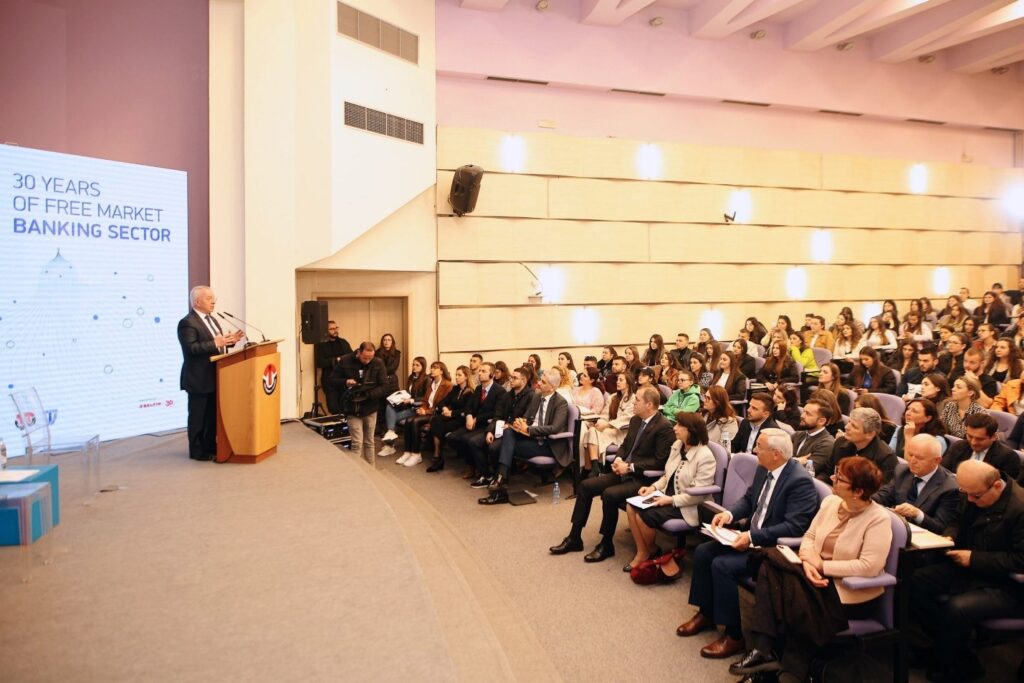
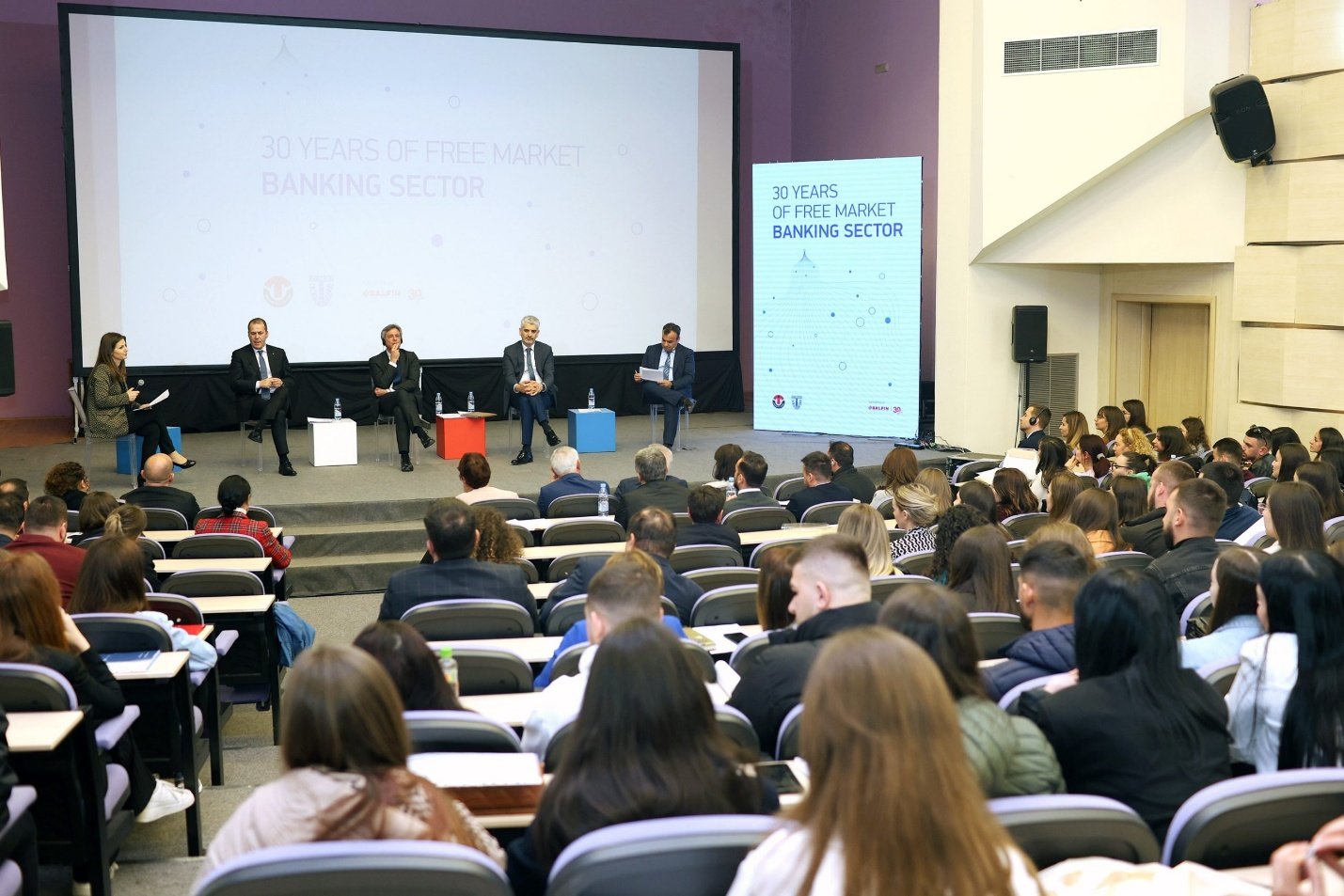
Banking sector’s performance during 30 years of free market was the focus of the forum organized by the Faculty of Economics of the University of Tirana. Bankers, financial experts, researchers, and academics, as well as representatives of national and international institutions addressed the field’s potential and the ways to safely navigate towards the future. The forum was supported by BALFIN Group, as part of the activities organized in the framework of the 30th anniversary of its founding by Samir Mane.
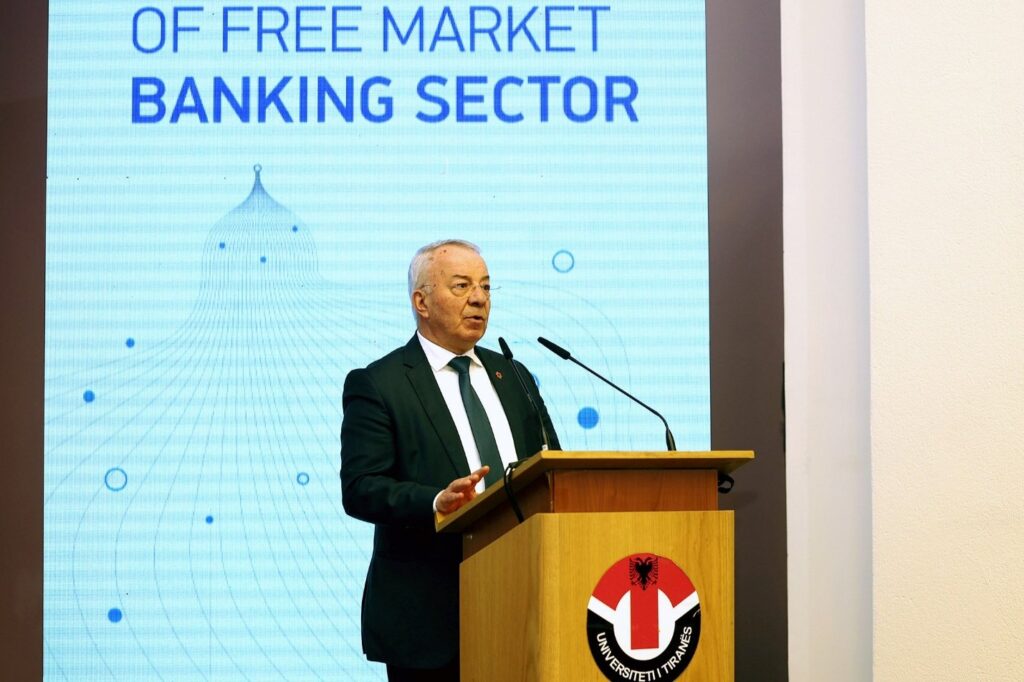
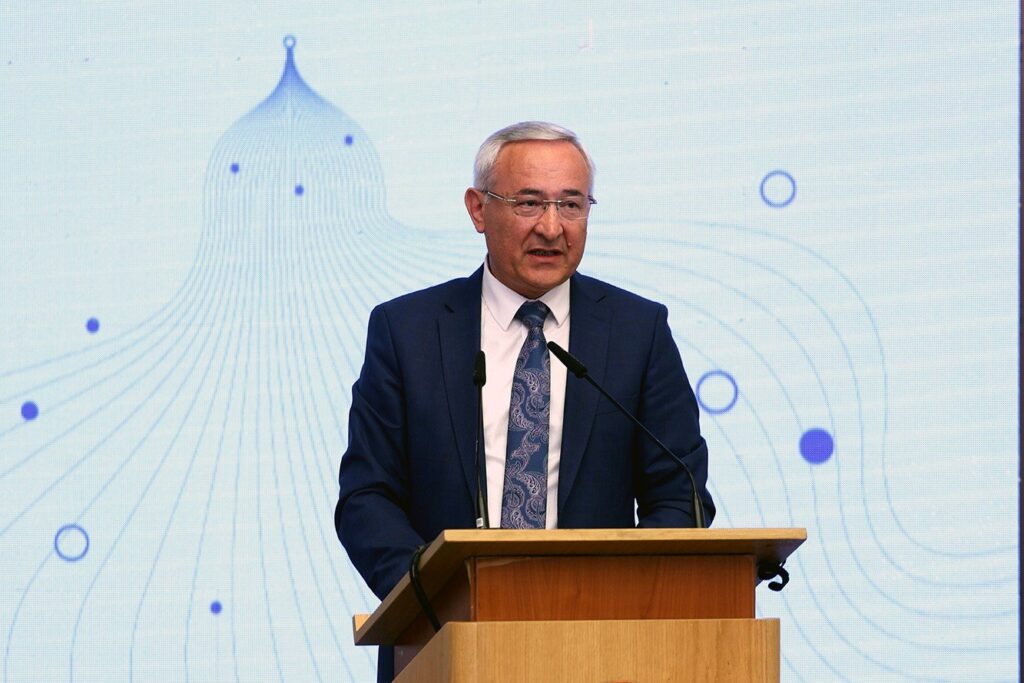
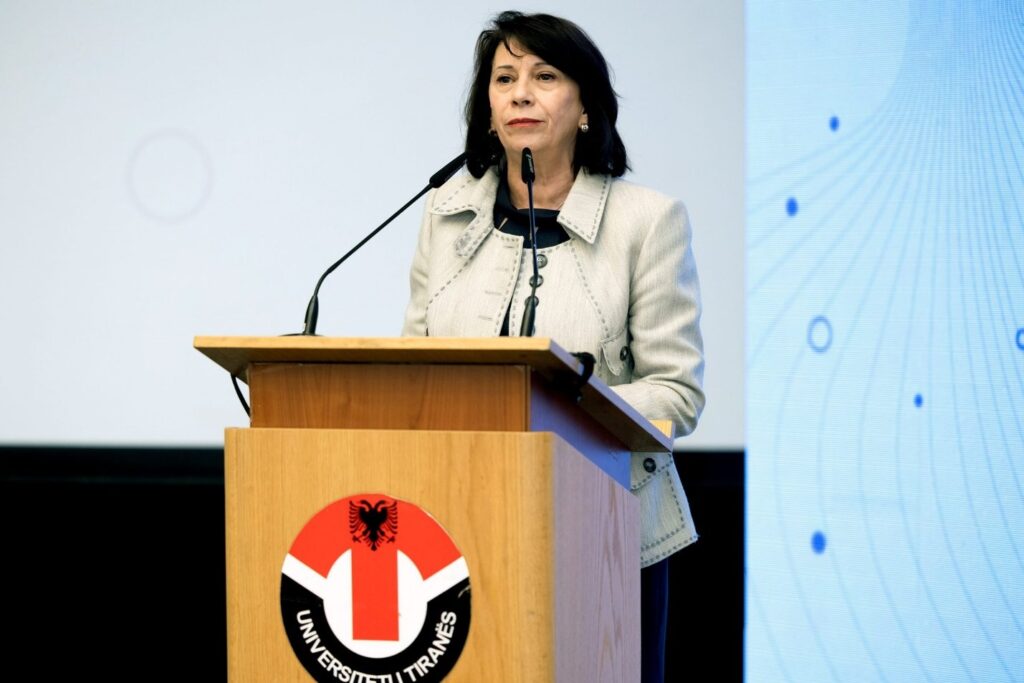
Prof. Dr. Dhori Kule, Dean of the Faculty of Economics, in his welcome speech, appraised the special role of banks in the economic and social development of the country throughout three decades, emphasizing their sustainability and the jobs they bring. The forum was also greeted by the First Deputy Governor of the Bank of Albania, Luljeta Minxhozi, and the General Secretary of the Albanian Banks Association, Spiro Brumbulli, who thanked BALFIN Group for organizing such a forum, which gives the public the opportunity to get to know the history and future of the banking system.
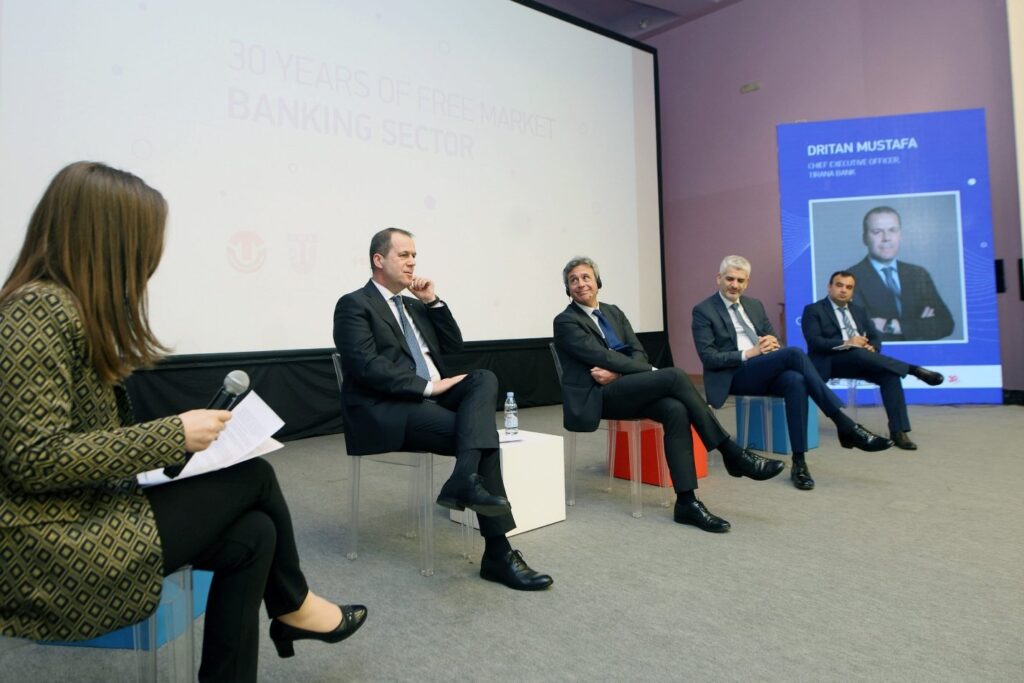
The panel composed of Dritan Mustafa, the CEO of Tirana Bank, the first private bank in Albania; Antonio Braghò, Deputy CEO of Intesa SanPaolo Bank; Mirsad Haliti, Member of the Executive Board at ProCredit Bank; and Keler Gjika, Financial Sector Expert at the World Bank, discussed the challenges and opportunities presented to banks in today’s operational environment. Globalization and current economic and political topics at the international level, as well as informality in local conditions were some of the issues on which the speakers gave their perspectives.
“The banking system is the best-regulated one in the country,” said Dritan Mustafa. Tirana Bank is the first private bank in Albania and its indicators are growing rapidly. The panelists shared with the participants their expertise on sustainable finance and impact investments, illustrating it with the best practices in Albania. According to them, the era of financial technology and digital payments is the reality to which financial institutions must adapt. In the end, the emphasis was on the young consumers or Generation Z and their interaction with the banking system.