What if the past and the future were not separate, but part of the same story? GOCAT Gallery invites visitors to explore this idea through “NOSTRATEMPUS,” the latest solo exhibition by renowned Albanian artist Gazmend Leka, which opened on November 11 at the Gallery of Contemporary Art Tirana.
Curated by Ardian Isufi and Ardian Kapo, the exhibition, presented under the concept “The Language of Signs: A Return to the Unspoken,” takes visitors on a fascinating journey through human memory, history, and imagination. It explores how ancient symbols, forgotten scripts, and contemporary artistic expressions can come together to create new meanings and perspectives.
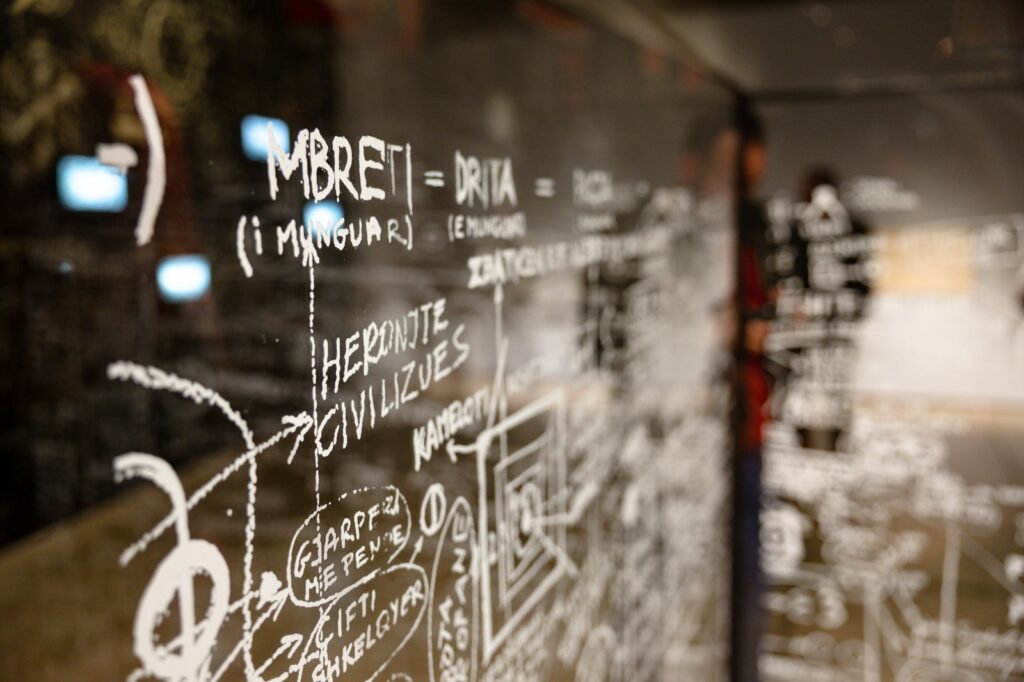
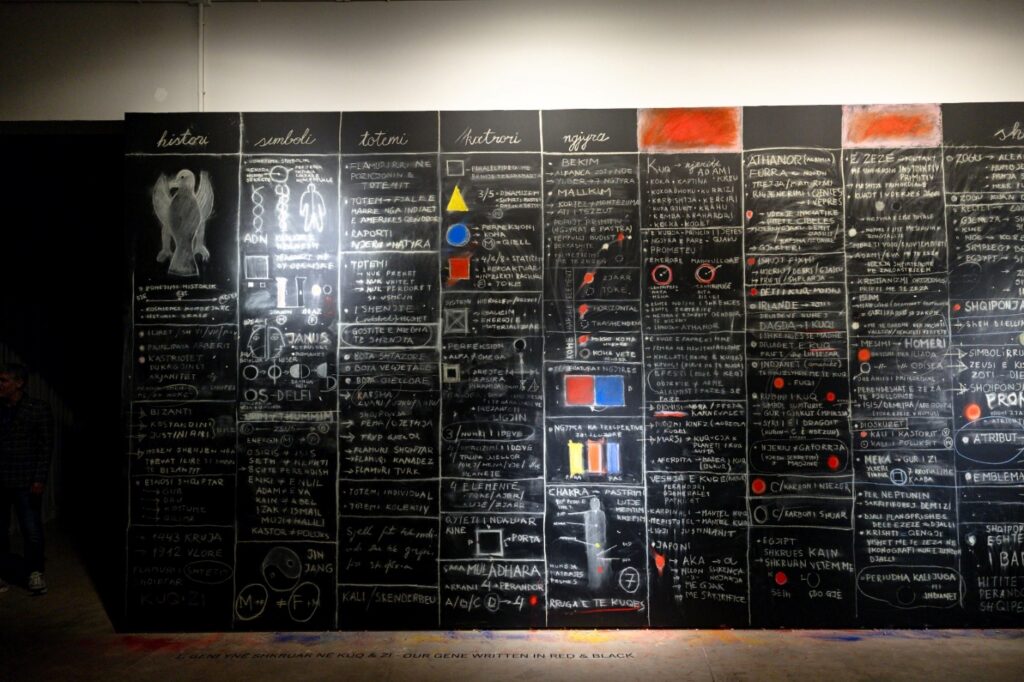
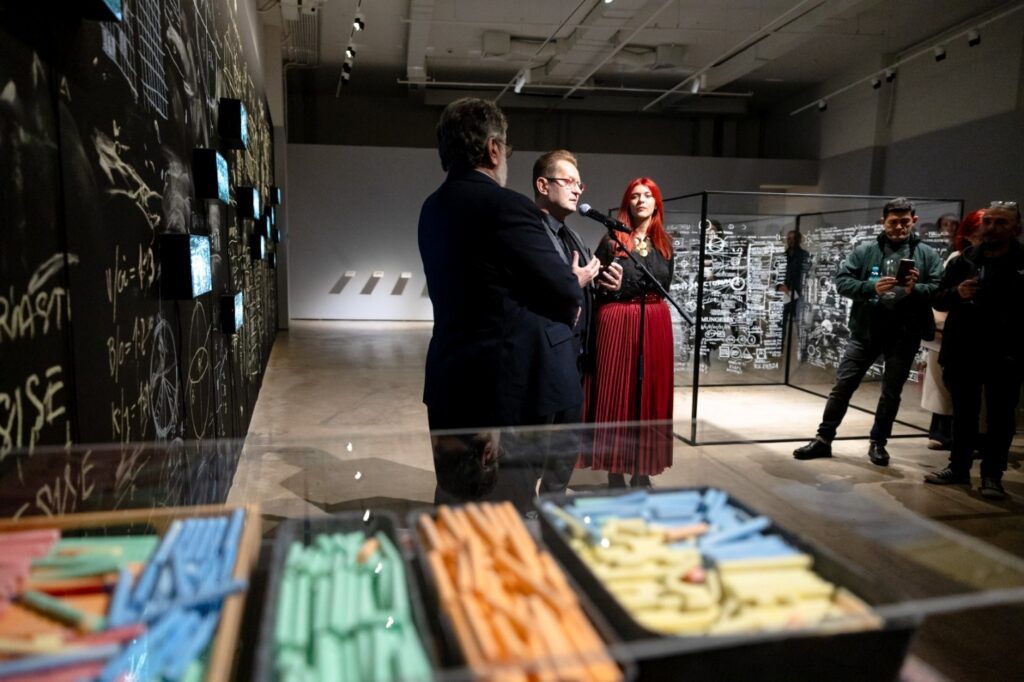
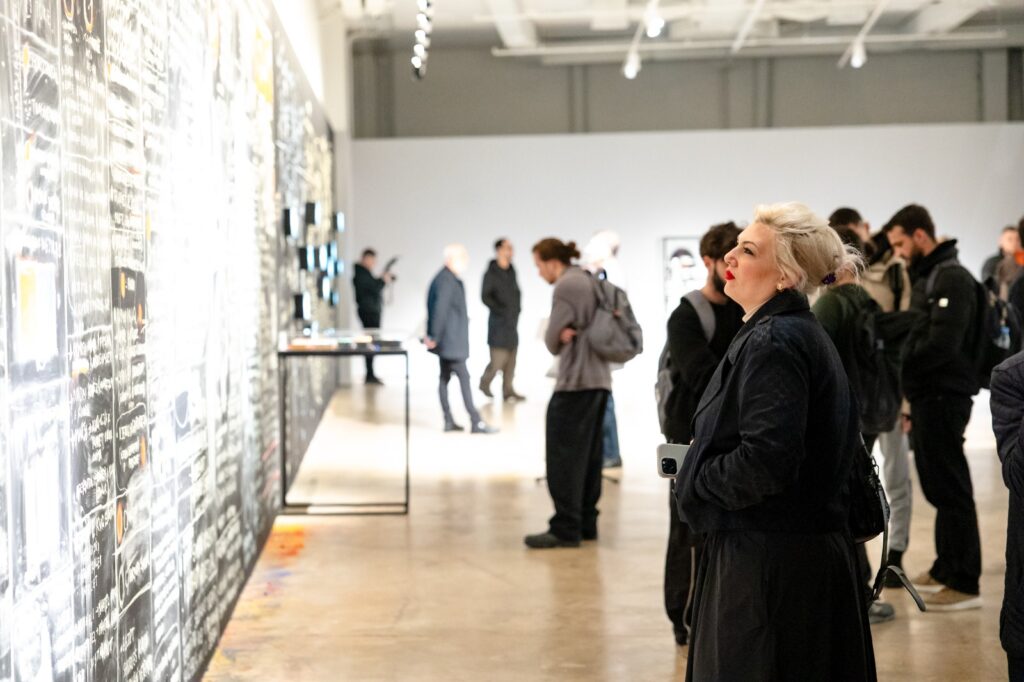
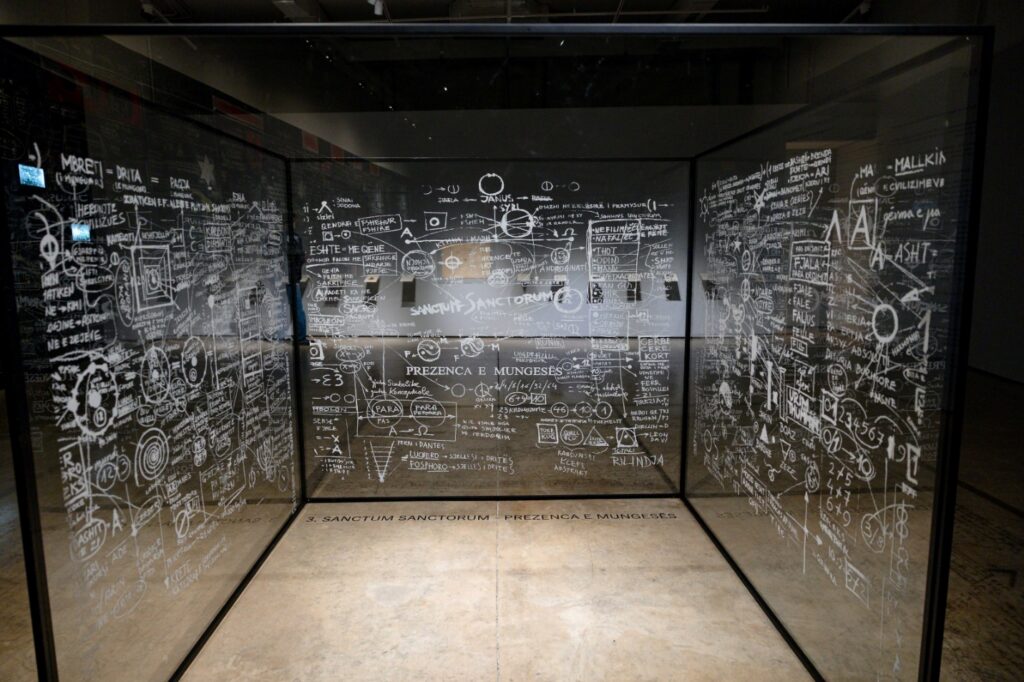
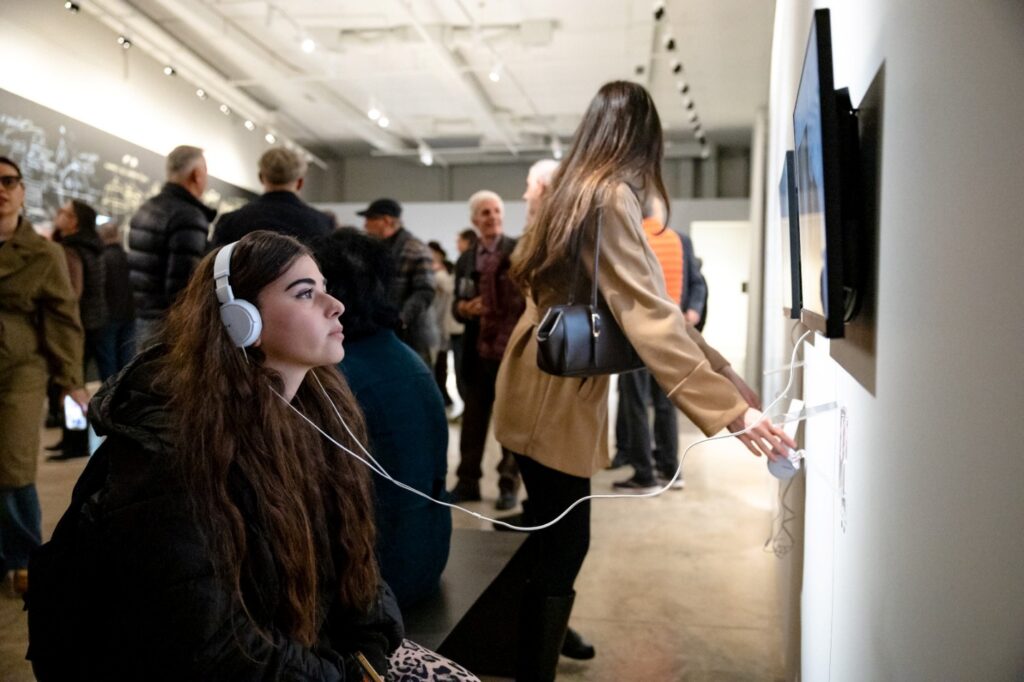
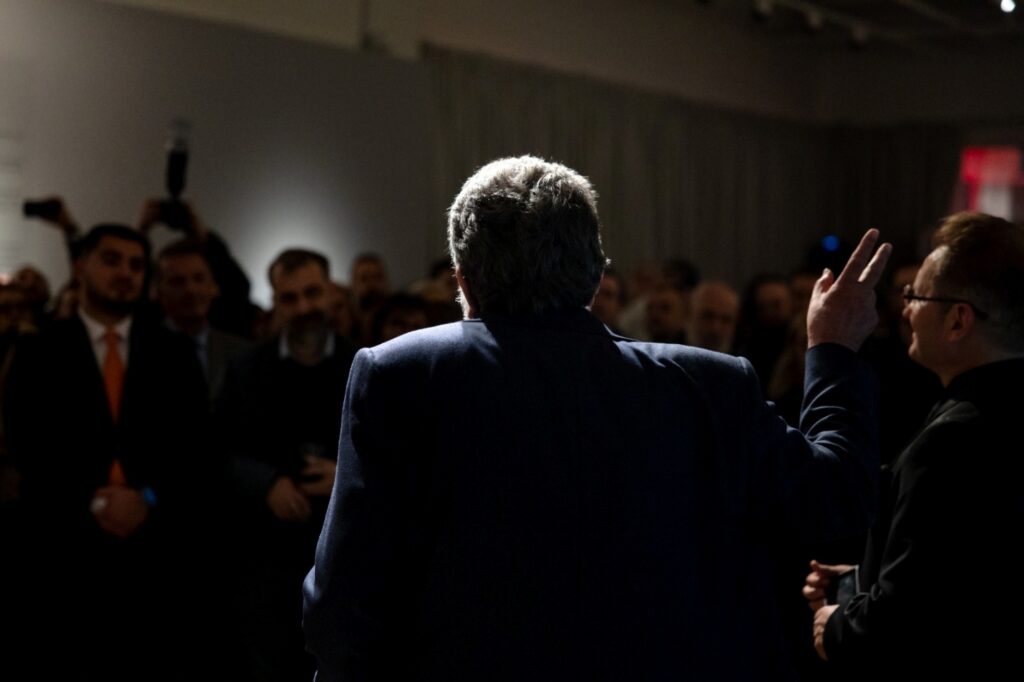
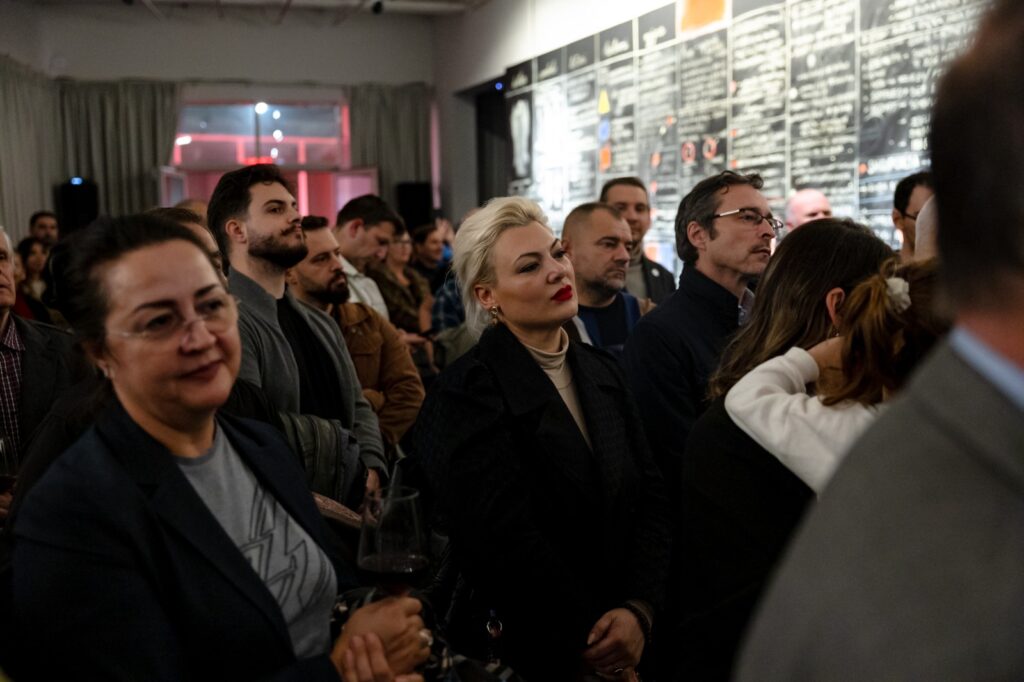
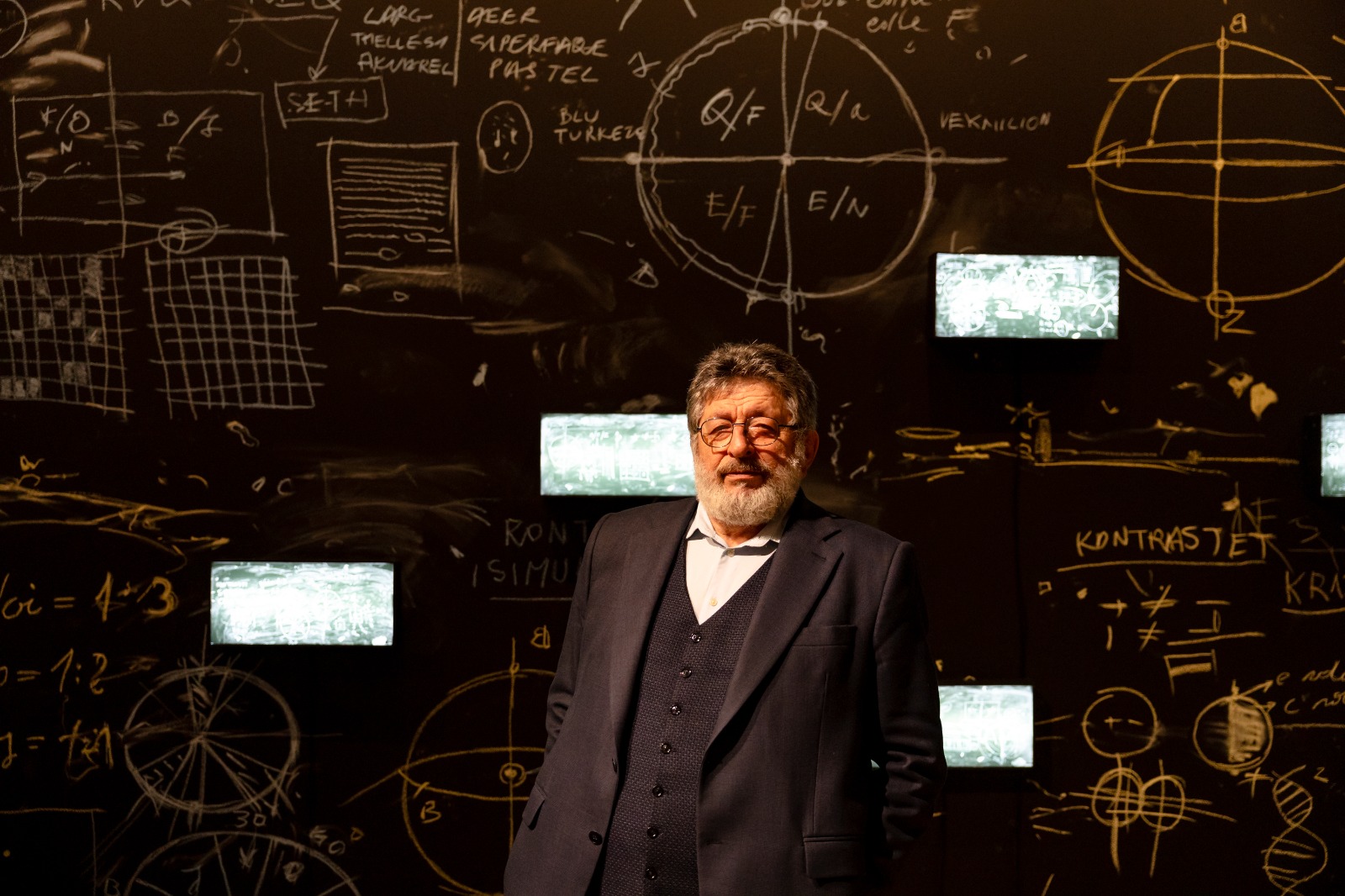
Through a distinctive visual language of signs, diagrams, inscriptions, and symbolic objects, Gazmend Leka transforms the gallery into a space where different dimensions of time coexist. His works invite visitors to question not only what history has left behind, but also how the past continues to shape our understanding of the present and our imagination of the future.
Black, white, and red dominate the exhibition, each carrying its own symbolic significance. Black represents mystery and the unknown, white brings signs and inscriptions to life, while red introduces energy, emotion, and traces of human existence. Together, these colors create a powerful visual identity that connects knowledge, mythology, and artistic expression.
Among the exhibition’s central elements are “The Blackboards – Axis Mundi” and “Our Gene Written in Red & Black,” artistic cycles that bring together biology, mythology, history, and human consciousness. Another important dimension is the “Nostradamus” cycle, which explores the relationship between history, prophecy, and imagination, encouraging visitors to reflect on the possibilities and uncertainties of the future.
As part of Mane Foundation’s broader commitment to supporting art, culture, and community development, GOCAT Gallery contributes to enriching Tirana’s cultural landscape and making contemporary artistic experiences more accessible to wider audiences.
More than an exhibition, “NOSTRATEMPUS” is an invitation to reflect on what we inherit from the past, how we interpret the present, and what we leave for future generations.