In an era of complex, fast-evolving markets, an organization’s ability to adapt culturally is becoming just as critical as its ability to adapt strategically.
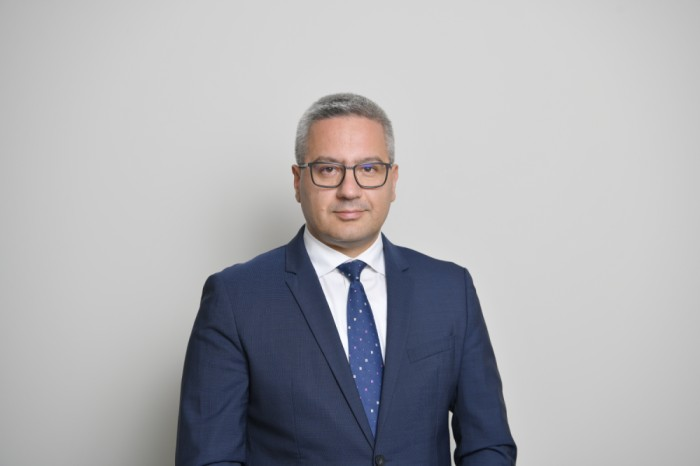
In a recent interview, Elvin Nosi, Chief of Human Resources at BALFIN Group, shared his insights on how microcultures shape our organization and why they are a strategic advantage for the Group.
For BALFIN Group, with its footprint spanning diverse industries—retail, real estate development, asset management, banking, tourism, and logistics—a uniform corporate culture alone cannot meet the nuanced needs of our business operations. Instead, our strength lies in recognizing and embracing the naturally developed microcultures within our companies.
What Are Microcultures?
Microcultures are distinct workplace cultures that form within specific departments, companies, geographies, or industry segments.
While BALFIN Group is united by our shared corporate values—Accountability, Innovation, Teamwork, Consideration, and Partnership—we understand that one size does not fit all. Through the careful cultivation and alignment of microcultures, we ensure both organizational cohesion and business relevance.
Why Microcultures Matter
Microcultures are not deviations from culture; they are refinements of it. They arise from a combination of factors: the industry a company operates in, its stage in the business lifecycle, the country or region where it is located, and the functional diversity of its teams.
Far from creating fragmentation, these microcultures bring specialization, innovation, and agility. When aligned effectively with the Group’s overarching values and objectives, they enhance adaptability, drive employee engagement, and foster high performance.
Industry-Specific Cultural Signatures
Each sector within BALFIN Group has its own rhythm and operational imperatives, shaping distinct cultural characteristics:
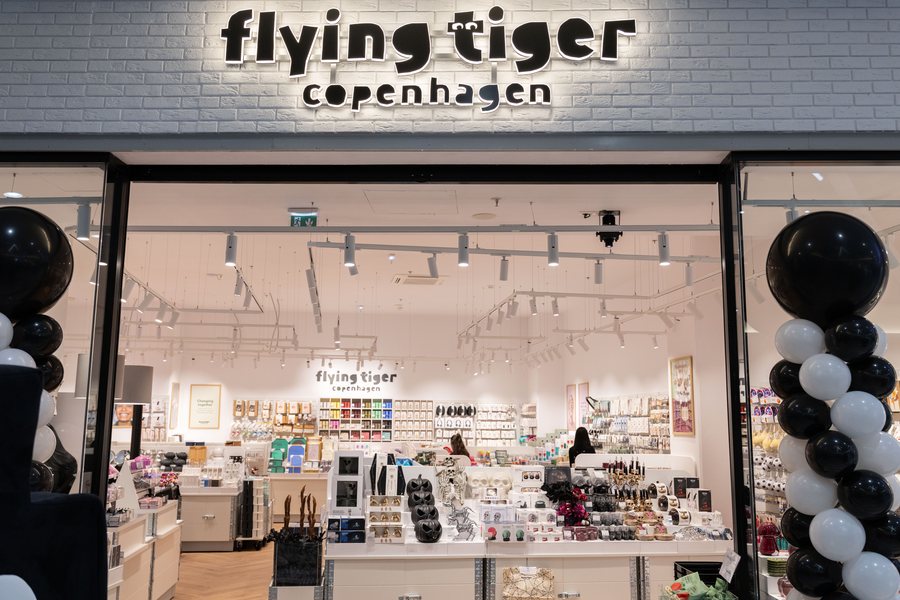
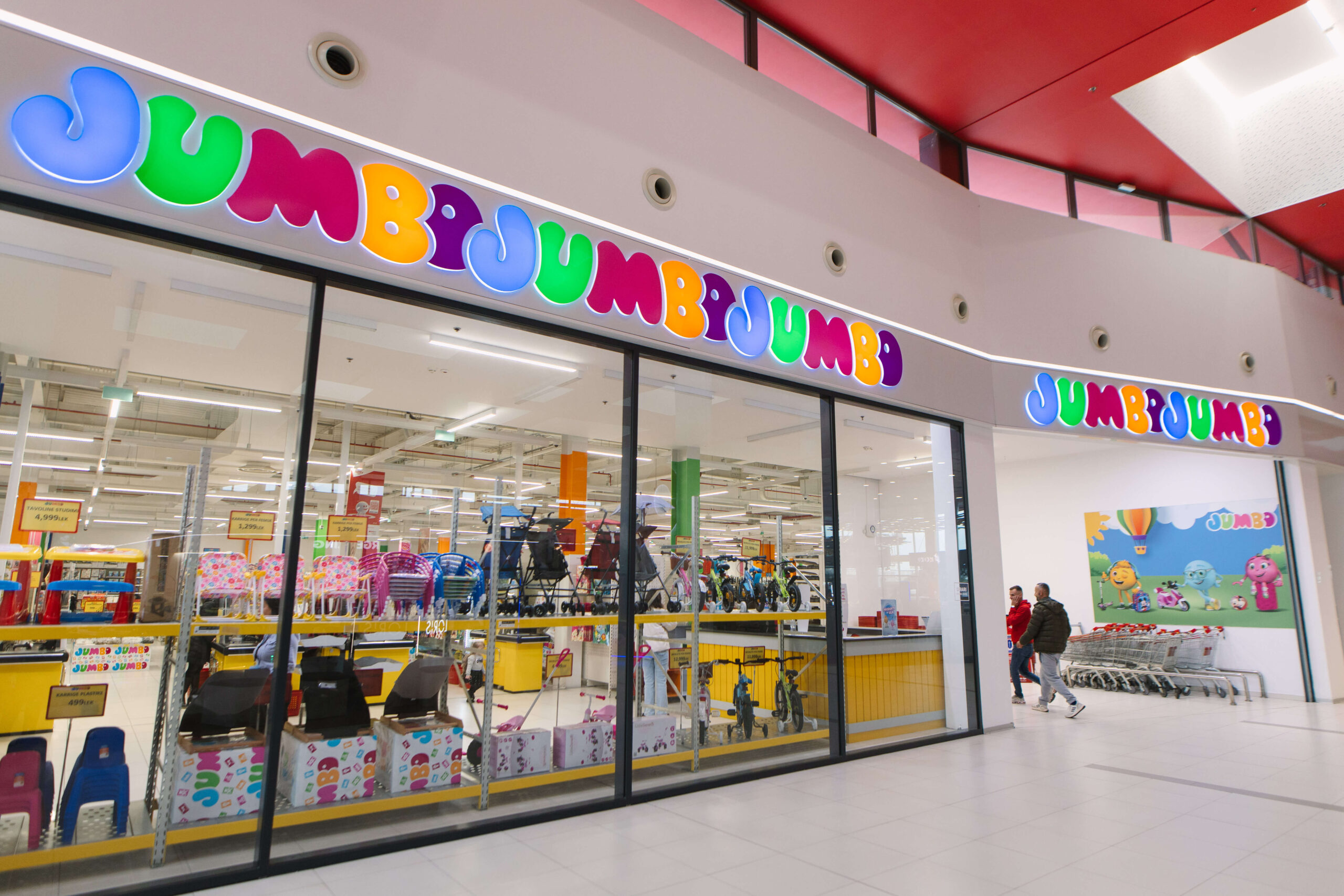
- Retail: Fast-paced, adaptable, and relentlessly focused on customer satisfaction. Driven by frontline decision-making and accountability to customer needs.
- Real estate & asset management: Methodical, collaborative, and focused on long-term planning, risk management, and sustainable value.
- Banking: Operates under strict regulations. Precision, risk control, transparency, and trust are strategic necessities.
- Tourism: Dynamic and experience-oriented. Success depends on creativity, customer experience, and flexibility under seasonal pressures and varying expectations.
The Lifecycle Factor
A company’s stage of development also shapes its microculture:
- Startups & newly formed companies: Embrace risk-taking, agility, and experimentation to quickly establish market presence.
- Growth-phase companies: Scale operations, refine processes, and build stronger teams while retaining entrepreneurial energy.
- Mature businesses: Prioritize efficiency, reliability, and long-term stability. Microcultures are more process-oriented and consistency-focused.
Geographic Influence and National Culture
BALFIN Group operates in multiple countries, each with its national identity and workplace norms. Culture is local before it becomes global.
From differences in communication styles and managerial expectations to bureaucratic structures and consumer behavior, each geography introduces a unique layer of complexity. Rather than imposing uniformity, we integrate and adapt, maintaining a cohesive Group identity while respecting local cultural nuances.
This balance enables our companies to attract local talent, build stakeholder trust, and operate sensitively to regional dynamics.
Functional Diversity Within Companies
Even within a single business, different departments contribute unique cultural perspectives:
- Human Resources: Promotes inclusion, development, and people-first values, cultivating a culture of consideration and employee empowerment.
- Digital Transformation: Catalysts for change, emphasizing agility, bold thinking, and willingness to challenge the status quo.
- Finance & Risk: Prioritize structure, discipline, and responsibility, ensuring the Group’s stability and compliance.
When well-aligned, these functional microcultures provide complementary strengths that support innovation, resilience, and informed decision-making.
A Strategic Approach to Managing Microcultures
Microcultures can drift apart if left unmanaged. At BALFIN Group, we take a deliberate and inclusive approach to ensure our culture remains unified and adaptive.
Reinforcing a shared vision based on our core values acts as the cultural compass across all companies. Implementing localized strategies aligns cultural practices with each company’s operational and cultural context. Promoting cross-company collaboration, knowledge exchange, and leadership dialogue strengthens cohesion, learning, and mutual respect.
Turning Cultural Diversity into Strategic Advantage
Microcultures are not a challenge to overcome; they are a strategic advantage to harness.
They empower our businesses to act locally while thinking globally, move fast without losing alignment, and reflect the diversity of our markets, employees, and customers.
At BALFIN Group, embracing microcultures is part of our commitment to building a resilient, innovative, and people-centered organization, united by purpose yet agile in execution.
Most successful posts of Balfin Group companies on Facebook
Open Conversation with the CEO of BALFIN Group, Edlira Muka
Not to be missed: Seaside Painting exhibition at TEG inspired by Green Coast’s landscape